

Nataliia Antypina (Ukraine)
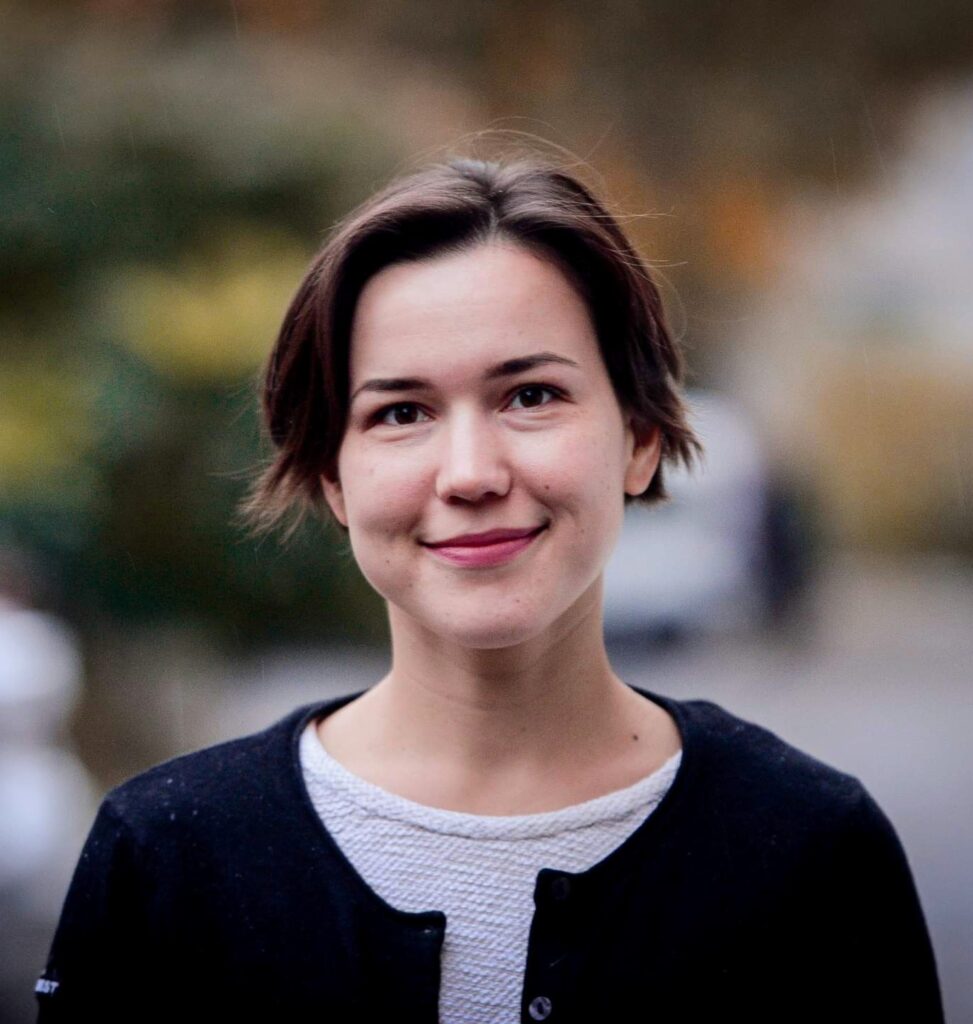
„Because of the war, everyday worries, fear, and constant stress, I’ve had to numb my senses just to stay sane. I hardly register danger anymore — I’ve adapted in order to survive. Yet my need to feel and express emotions finds its way through my ceramic practice.”
In my art, I allow myself to open up, to feel, and to heal. For me, art is a way of truly experiencing life.
Through ceramics, Nataliia explores how war shapes emotions, identity, and human relationships. Her work reflects both personal and collective trauma, offering a path to understanding both the world and herself.
„Ceramics is my way of sensing and making sense of life.”
Aivars Baranovskis (Latvia)

According to Aivars Baranovskis, creativity can emerge in anything — from the way one lays the kitchen table to the intentional creation of an artwork. There is no such thing as a single, true form of art — only a persistent inner urge to create, which, over time, can evolve into professional work.
On the one hand, you want your work to resonate with its surroundings, to contribute to the broader artistic landscape, to spark reflection, and to make sense.
“On the other hand, there is the deeply personal drive to create — the need to make something and witness it come together when you don’t overthink it, but simply follow the impulse. In the end, you are left with the work. It is what it is. You may love it or hate it — but the sense of satisfaction is already there.”
Eglė Einikytė-Narkevičienė (Lithuania)

The artist’s gaze is directed toward the human being and the surrounding environment. She seeks to reveal the complex spiritual relationship between individuals and their environment—how this interaction gives rise to egocentrism, the desire for self-preservation, pride, and the relentless longing to restore inner, structured order and peace.
Eglė is not focused on a specific individual, but rather on universal human issues. That is why she chooses abstract forms, rich with various metaphors and symbols.
“I always look at the human form from a different perspective, I search for new shapes, lines, colors, and technological solutions. Often, during the creative process, new works emerge—variations of the current piece or entirely new ideas—that seamlessly integrate into the overall composition.”
Mette Maya Gregersen (Denmark)

Artist is inspired by the mysterious and transformative qualities of clay — a material that intricately mirrors both our external and internal worlds.
Her artistic practice delves into the intrinsic mysteries of materials and their capacity to narrate stories of change. “I engage deeply with the textures and components of clay, investigating how these elements can flow, crack, melt, and transform throughout the creation process.“
For Mette, each sculpture is a journey, where the fluid and the solid converge, and where identity emerges from the interplay of raw materials and the forms that take shape.
Malwina Kowalewska (Poland)
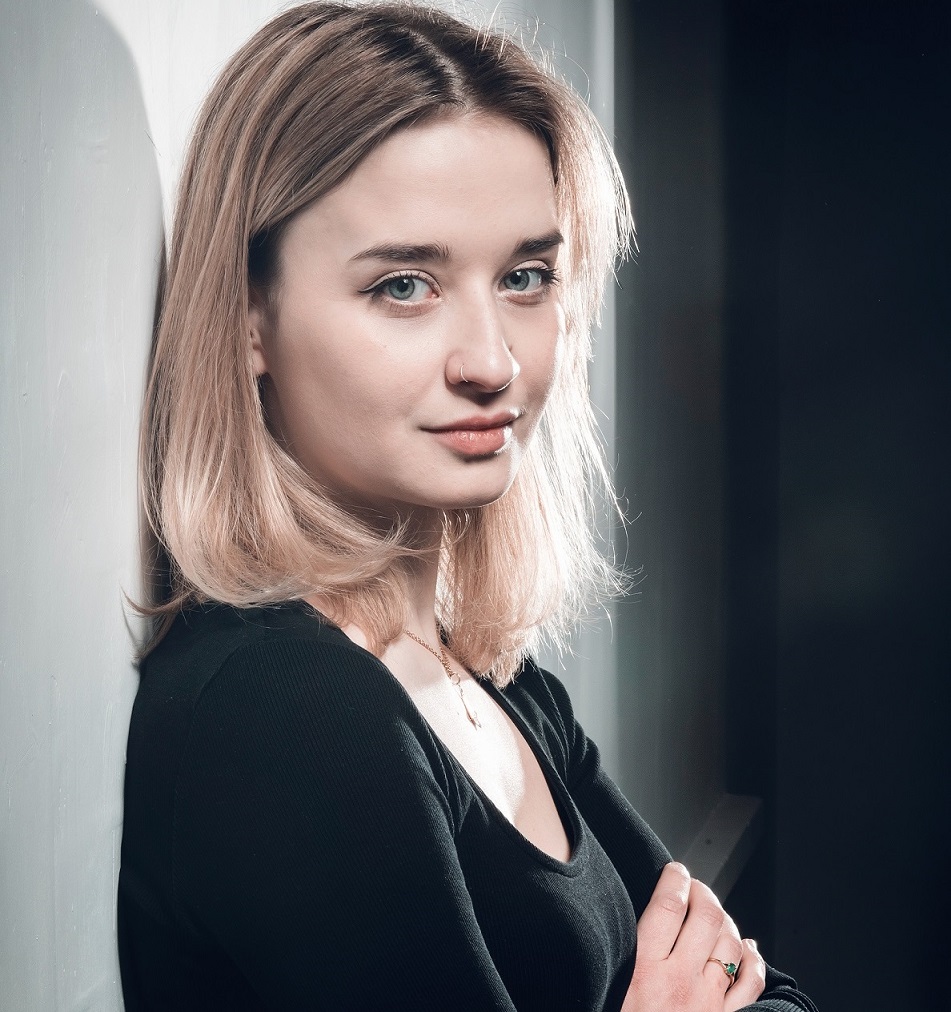
Artist draws inspiration from phenomena that might seem insignificant at first glance, such as vacant buildings, abandoned objects, or elements of construction. She is interested in structures marked by the presence of humans, the decay of matter, post-shipyard spaces, compositions created by broken roof trusses, or randomly scattered trash mixed with rubble.
“The encountered phenomena become a starting point for my reflection on the condition of humanity and its impact on the surrounding space.”
Elena Laurinavičiūtė (Lithuania)

Elena is an interdisciplinary artist who combines sound and ceramics into experimental installations and performances. Her work explores the relationship between materiality and immateriality, as well as the use of natural elements — such as wind or water — for acoustic purposes. Through her sound sculptures, she seeks to reveal invisible processes within space.
“My artistic practice invites not only to see sculpture, but also to hear it — to listen to the vibrations of the material and the stories it tells.”
Manuel Seita (Portugal)

Each symposium offers unique conditions—objectives, materials, technical support, and cultural context—which naturally influence the artist’s approach. Rather than repeating past work, Manuel Seita seeks to respond to the specific spirit of each place, using the opportunity to explore new forms, techniques, and conceptual directions in large-scale ceramic sculpture.
Due to limited facilities in their own studio, participation in the symposium allows the artist to work on a larger scale and experiment with high-temperature firings. The process is a continual search for personal expression and artistic language that challenges both creator and viewer.
The artist values the friendships, knowledge, and lasting artistic legacy created—testimonies left in clay that become part of the symposium’s collective memory.
Elina Titane (Latvia)

For Elina Titane, art is not about ideas or concepts — it is about expression. The expression of inspiration through material.
„I am not trying to articulate, but to discover — to explore the world of images, the joy of discovery and creativity.”
he interaction between fingers and plastic material is both miraculous and magical — the act of creation is a mystery, offering an infinite spectrum of possibilities and transformation. The connection between material, expression, intuitive perception, and mental insight brings her joy, enthusiasm, and motivation to work.
Organizer – Panevėžys Civic Art Gallery, Project Manager – Aurelija Seilienė.
Project is financed by Lithuanian Council for Culture, Panevėžys City Municipality.
Sponsors: “Kalnapilis“, “Midenė“.
Friends: Hotel “Romantic“, Restaurant “Bisas“.
Partners: Panevėžys County Gabrielė Petkevičaitė-Bitė Public Library, Lithuanian Artists’ Association Gallery, Kauno kolegija / Higher Education Institution and “Owl Hill” Gallery, Naujamiestis Cultural Centre–Art Gallery.
